Storage Ideas for Small Spaces: Hidden Storage for a Small Living Room

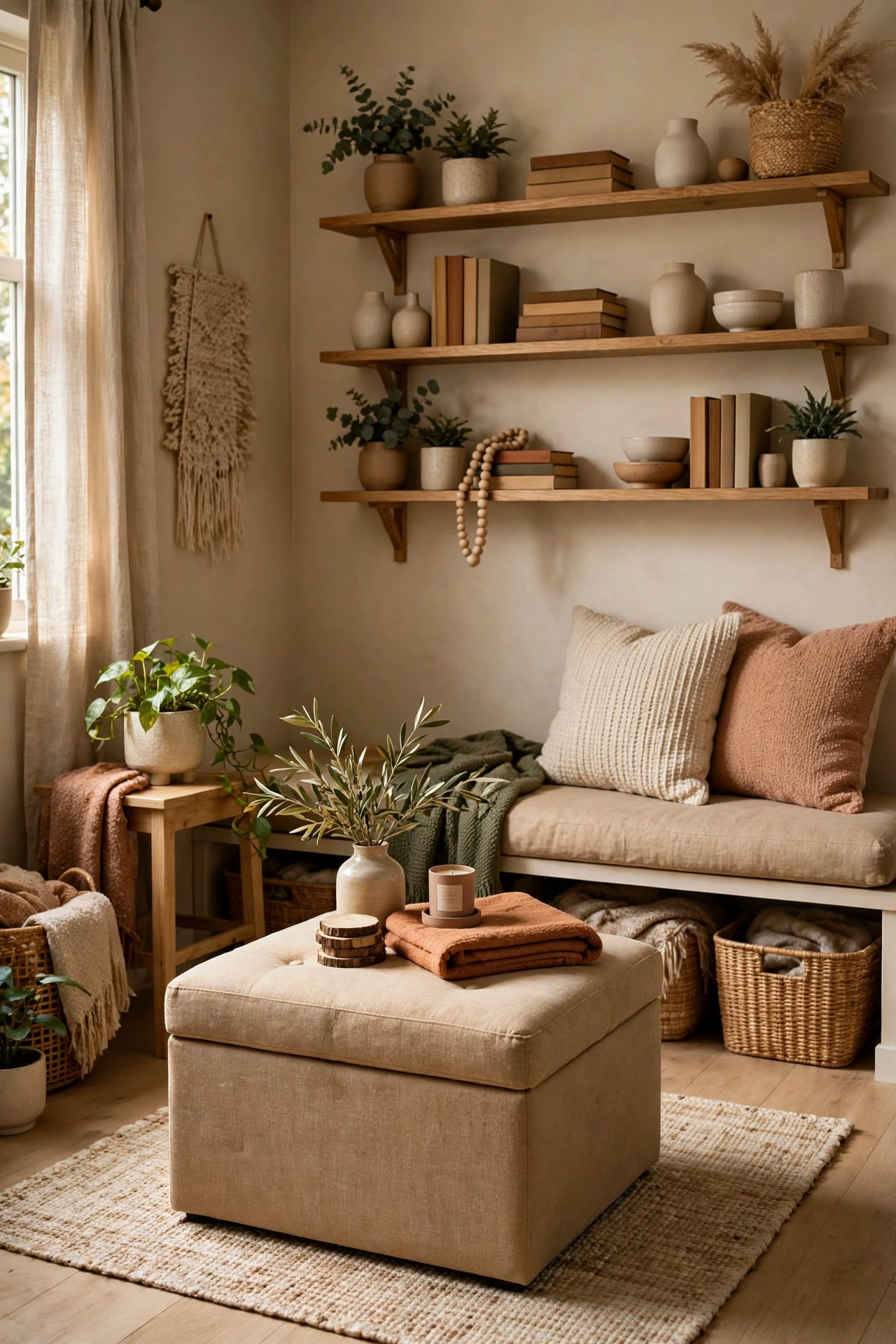
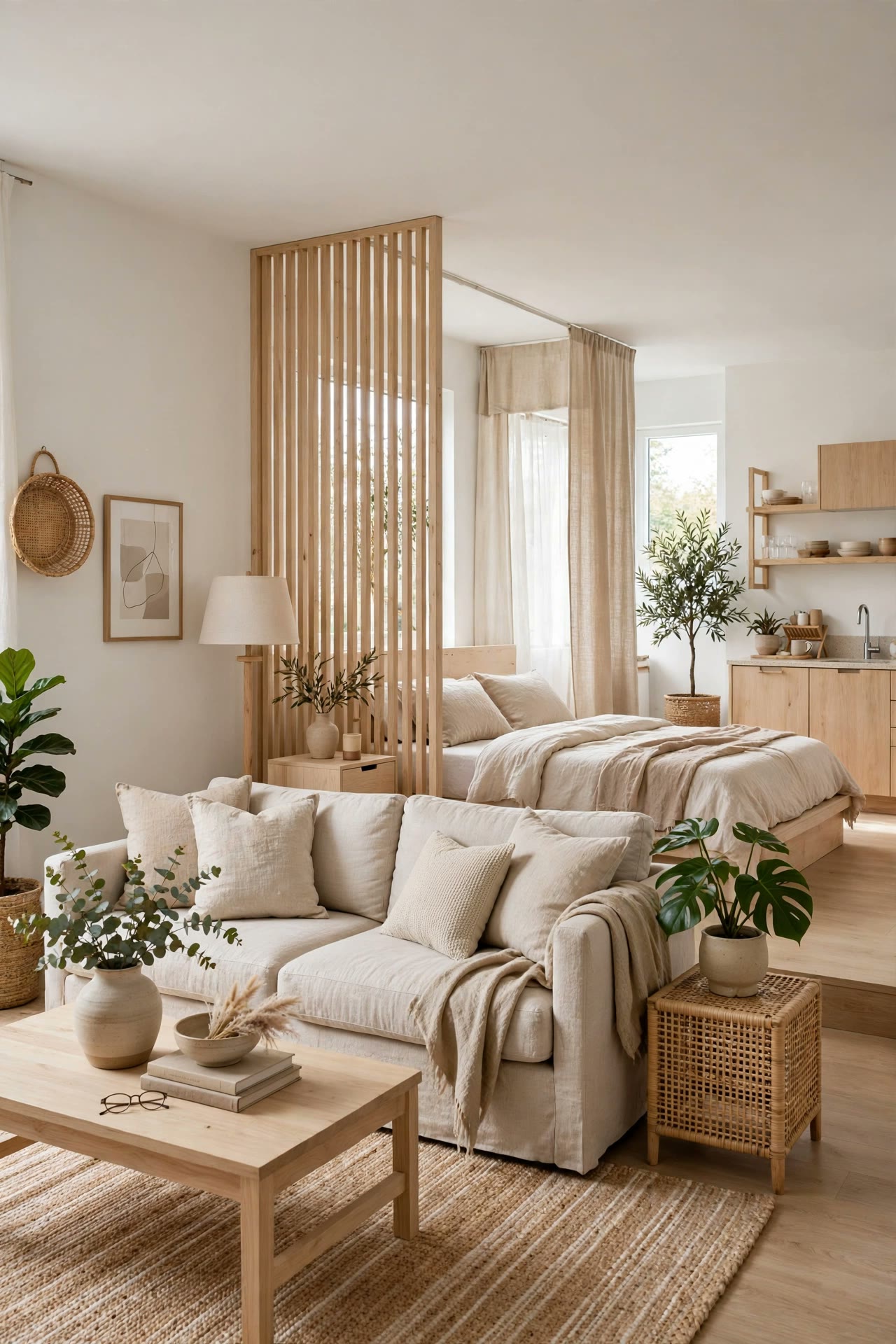
A small living room does not need less stuff. It needs better hiding places. The best storage ideas for small spaces keep everyday things close at hand and out of sight, so the room looks calm even when life is happening in it. Hidden storage for a small living room lives in the furniture you already use: the ottoman, the bench, the sofa, the walls, and the doors.
Audit what you actually store
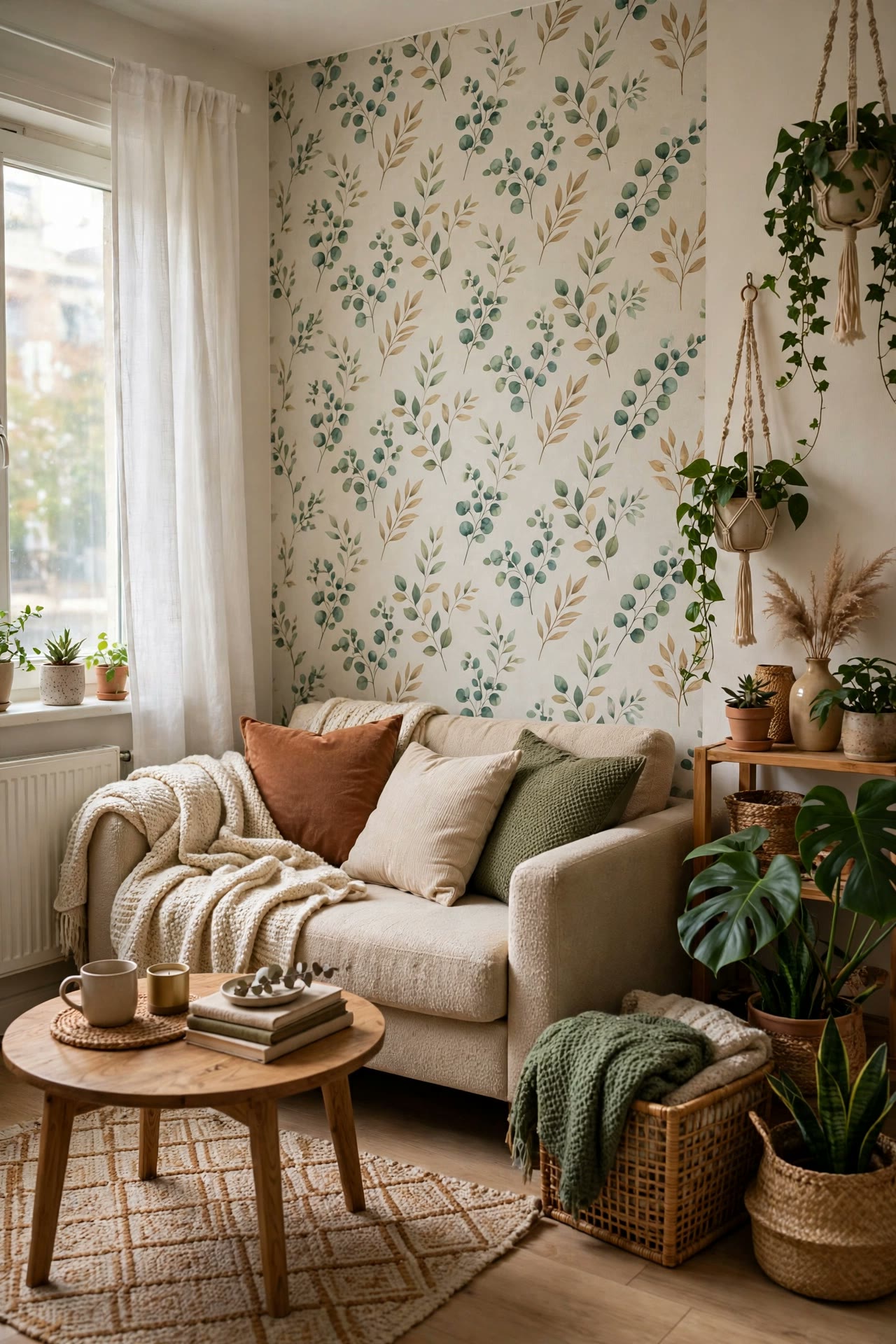
Before you buy a single basket, empty the living room storage you already have and sort it into three piles: things you use weekly, things you use monthly, and things you have not touched in a year. The weekly pile is what the living room must store within reach: remotes, chargers, throws, children’s toys, pet supplies, and the book you are reading. The monthly pile can live higher, deeper, or farther away: board games, spare cushions, and seasonal decorations. The untouched pile should leave the room, because storing things you do not use is what makes a small room feel full. Count the weekly pile honestly, and measure the space you have for it. A living room usually needs one basket for soft things, one closed box for small hard things like chargers and controllers, and one home for everything with a handle, like bags and umbrellas.
Hidden storage furniture
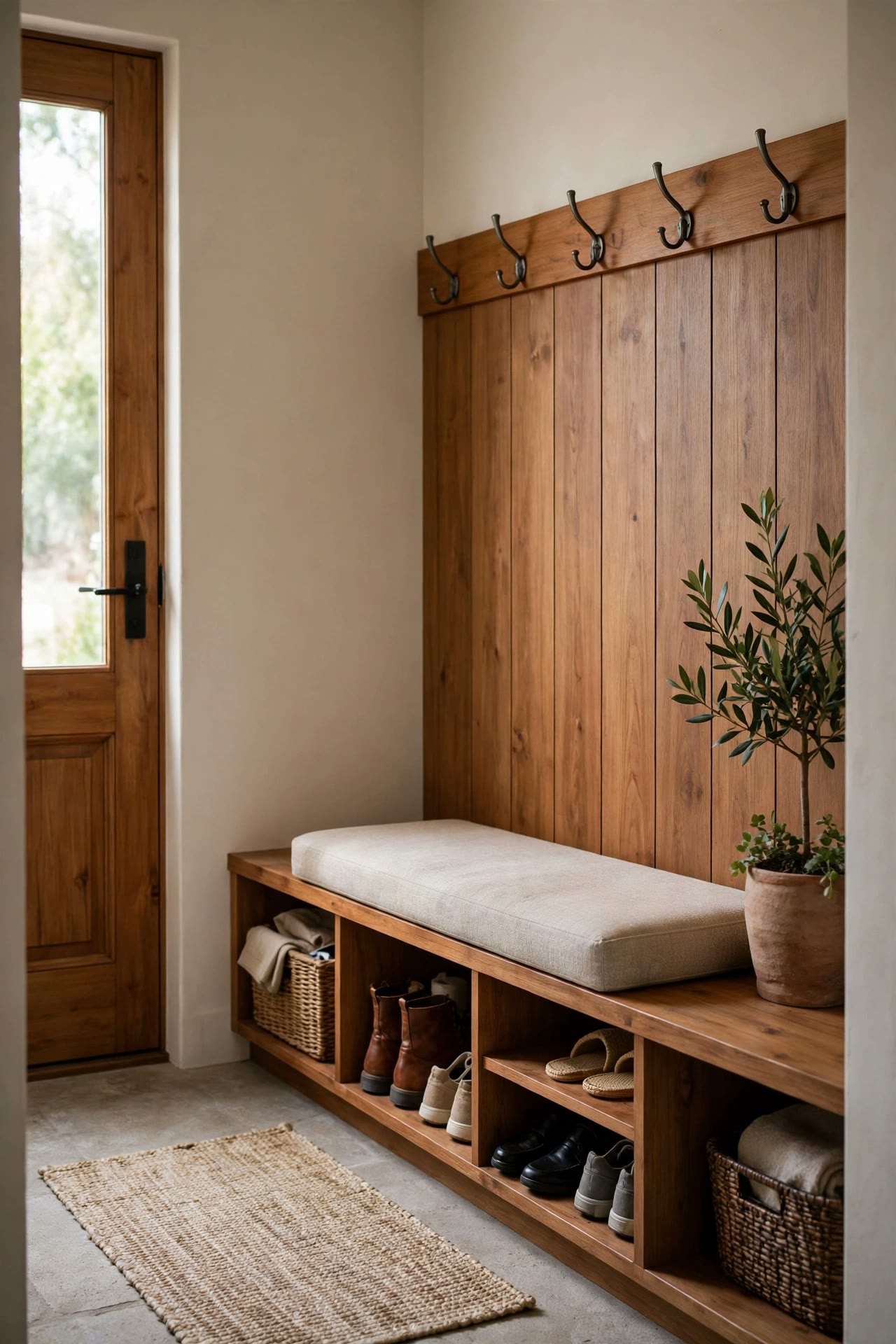
Hidden storage furniture is the backbone of a calm small living room. A storage ottoman is the hardest-working piece: it holds throws and board games, it is a footrest, an extra seat, and a coffee table with a tray on top. A bench seat with a lift-up lid or drawers holds shoes, toys, and spare cushions, and it gives you seating for guests. A coffee table with a shelf or drawers underneath keeps remotes, magazines, and chargers off the tabletop. Choose storage furniture with lids and doors that close fully, because open storage in a small room reads as clutter no matter how neatly it is arranged. A sideboard or a low cabinet along one wall can hold everything from games consoles to paperwork, and its top surface displays one plant and one object.
Vertical storage walls
The walls of a small living room are storage waiting to happen, and using them well costs almost no floor space. A run of shelves up to the ceiling on one wall holds books, baskets, and display objects, and it draws the eye upward so the room feels taller. A picture ledge at picture-rail height displays art and photos without taking up a shelf. Hooks on the wall beside the door hold coats and bags that would otherwise land on the sofa. Keep vertical storage shallow, 10 to 12 inches deep for most shelves, so nothing juts into the room. Put the heaviest things low, the prettiest things at eye level, and the least-used things up high, and use matching baskets on the top shelves so the upper wall reads as calm.
Under-sofa and behind-door storage
The spaces you never look at are the most useful in a small living room. The gap under a sofa with legs holds flat boxes for board games, wrapping paper, or spare bedding, and a sofa skirt or a low basket keeps them out of sight. The space behind the living room door takes an over-door rack for coats, bags, and cleaning supplies. The narrow gap between the sofa and the wall, if you have one, fits a slim rolling cart for books and chargers. The inside of a cupboard door holds a small rack for remotes and batteries. The space under a side table holds a basket for throws, and the floor under a bench holds shoes in a row.
The 10-minute tidy system
Hidden storage only works if putting things away is faster than leaving them out. Build a ten-minute tidy into the end of the day: set a timer, return the throws to the ottoman, the remotes to their box, the toys to the bench, and the mugs to the kitchen. When every object has a closed home, ten minutes is enough, and the room resets itself daily. Keep the tidy tools where you use them: a small basket for the things that migrate to the sofa, and a rule that the basket gets emptied every night.
Teach the household the same rule, and keep the number of open surfaces low, because every flat surface in a small room invites a pile. If something has no home, it gets a home that week or it leaves the room.
Concept image: AI-generated interior concept.